Stephanie Gilezan
The Rooms That Matter
How to Walk Into High-Stakes Environments and Operate Like You Belong
There is a version of executive presence that gets taught in leadership programs posture, eye contact, firm handshakes. That version is fine for entry-level orientation. The rooms that actually change your trajectory require something more sophisticated: the ability to read power dynamics in real time, establish your positioning quickly, and influence outcomes without announcing your intentions.
That is room intelligence. I have sat across conference tables on deals worth tens of millions of dollars. I have been in rooms where I was the only woman, the newest voice, and the one with the most to gain sometimes all three at once. What I learned is that authority is not given to you when you walk in. It is recognized based on how you conduct yourself in the first ten minutes. Your questions, your silences, the things you choose not to react to they all signal whether you are a participant or a decision-maker.
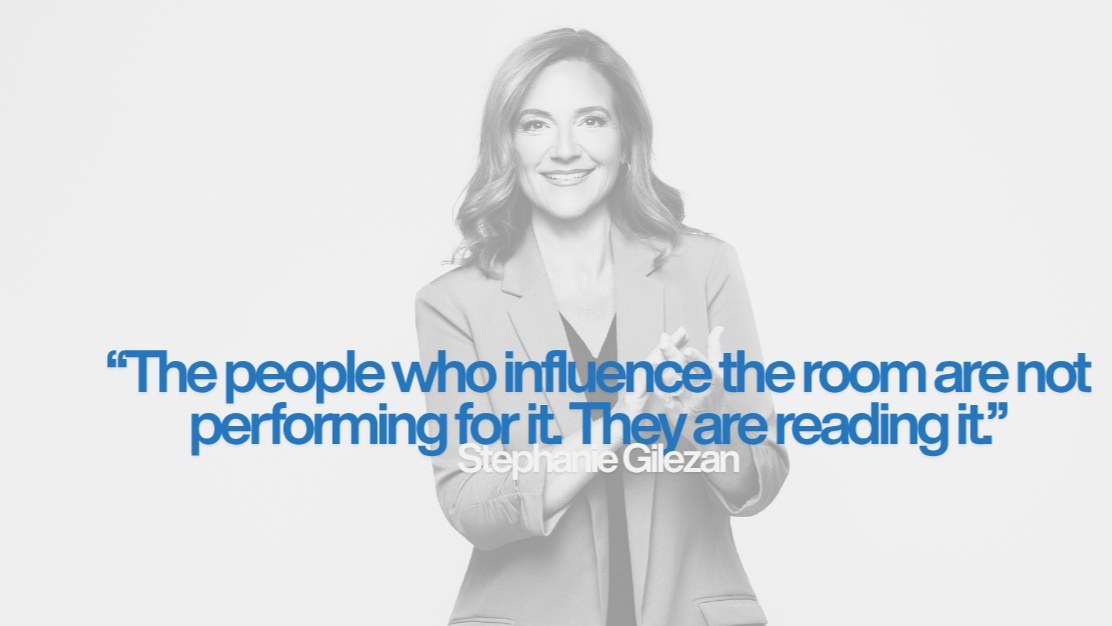
Room intelligence starts before you arrive. It means understanding who the real authority is in the room versus who holds the formal title. It means knowing which relationships matter most to the outcome and how to build rapport without performing. It means identifying who is watching the room rather than performing for it because that person is usually the one making the real decision.
The most common mistake I see ambitious professionals make in high-stakes environments is over-signaling. They talk too much, agree too quickly, and work too hard to be impressive. The result is that they become memorable for the wrong reasons. The professional who speaks with precision, who demonstrates that they have already thought three moves ahead, and who knows when to hold their position that person commands the room without claiming it.
You do not earn a seat at significant tables by working harder than everyone else in the room. You earn it by operating differently with a level of situational intelligence that signals you are exactly where you are supposed to be.
The rooms that matter don't require you to prove yourself. They require you to already know who you are when you walk through the door.
If you are stepping into higher-level rooms, stop focusing on how to be seen. Start focusing on how to read, position, and respond. That is what separates participants from decision-makers.
What is one moment where you realized a room was operating very differently than you expected?
Originally published on LinkedIn on Apr 2, 2026.