Stephanie Gilezan
Most Women Don't Lose Deals Because They're Unqualified. They Lose Them Because of This.
Let me say something that might be uncomfortable.
The reason you didn't get the deal, the room, the contract, the rate you deserved — it probably wasn't your qualifications. It wasn't your track record. It wasn't even your price.
It was the energy you walked in with.
You walked in hoping to be chosen.
And the room felt it before you said a word.
I've spent 25 years in commercial real estate — an industry that will expose you fast if you're negotiating from a place of need. I've closed deals in 40+ states and nearly 40 countries. I've sat across from developers, investors, private equity groups, and boards who were all watching for the same thing: who needs this more?
The person who needs the outcome more has already lost leverage. Every time.
That's not cynical. That's just how rooms work.
Here's the shift nobody teaches you.
We talk endlessly about confidence. Build your confidence. Believe in yourself. Own the room.
But confidence and power are not the same thing.
Confidence is internal and it's how you feel when you walk in. Power is structural, it's what actually controls the outcome. You can feel completely confident and still lose the room. I've watched it happen to brilliant, qualified, accomplished women more times than I can count.
The difference isn't how you feel. It's the question you're unconsciously trying to answer when you walk into a high-stakes conversation.
Most people are asking: Will they choose me?
Deal-makers are asking: Is this even worth my time?
That single shift from seeking approval to conducting an evaluation changes everything. Your tone. Your pace. The questions you ask. The silences you're willing to hold. The offers you're willing to decline.
It changes the room.
The expensive habits we don't talk about.
Over-explaining is not clarity. It's insecurity in disguise.
Saying "I was just wondering..." or "Does that make sense?" or "I think maybe..." — that's not humility. That's signaling to the room that you don't fully trust what you're about to say.
Following up three times before they've responded once? That's need, not persistence.
Lowering your price before they've asked? That's panic, not strategy.
The strongest negotiators I know aren't the most aggressive. They're the most detached. Not cold, clear. There's a difference. Emotional detachment isn't about caring less. It's about not letting your desire for the outcome override your judgment about whether the outcome is actually worth it.
Calm beats passion in a negotiation. Every single time.
What positioning actually means.
We throw the word "positioning" around constantly in business. But most people think it starts when the conversation starts.
It doesn't.
Positioning is set before the meeting begins. It's in how long you waited to respond to their email. It's whether you arrived early or they were waiting for you. It's in the first question you ask and it's not the first answer you give. It's in whether you have options or whether you need this particular deal to work.
Options are not just a backup plan. They are your most powerful negotiating tool. When you have genuine alternatives, your voice is different. Your posture is different. The room responds to it before you've made a single argument.
Need leaks. Even when you say nothing. People can smell desperation.
The decision that changes everything.
Before you walk into any significant negotiation — a contract conversation, a board meeting, a partnership discussion, a salary review — make one decision first.
Decide your walk-away point before they can influence it.
What are you not available for? What would make this deal not worth it? What does success actually look like, versus what does it look like if you're honest about what you've been willing to settle for?
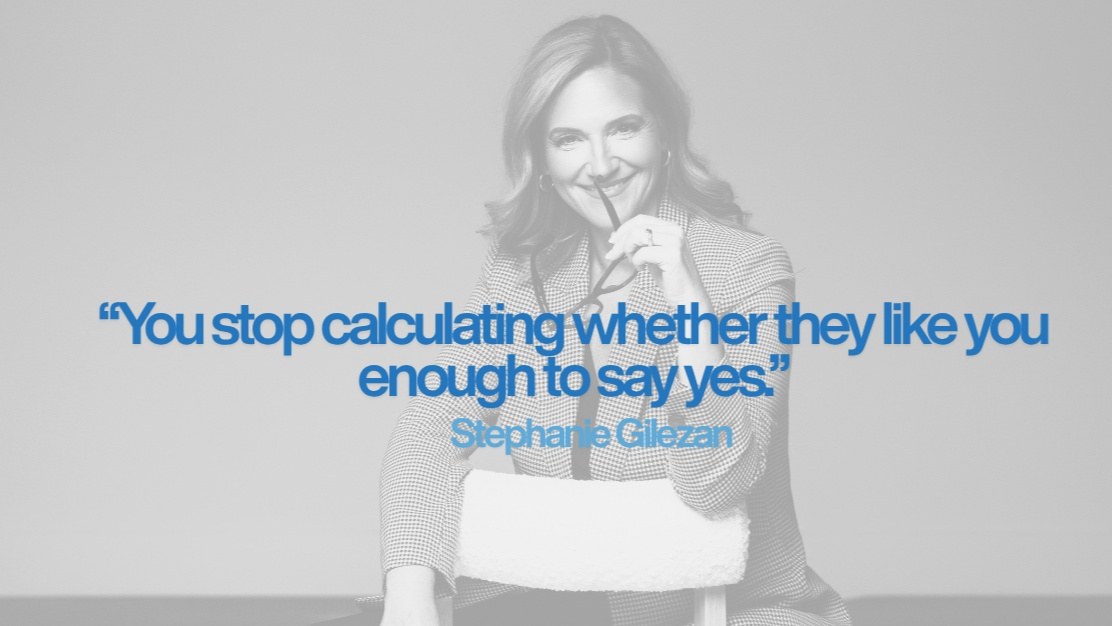
When you know your answers before they ask the questions, something shifts. You stop performing. You stop managing how you're coming across. You stop calculating whether they like you enough to say yes.
You start evaluating whether they are a good use of yours.
That is the deal-maker mentality.
It's not about becoming louder. It's not about becoming harder. It's not about becoming someone else.
It's about walking into every room knowing one thing:
You are not there to convince. You are there to evaluate.
When you move like that — the right people lean in, the wrong ones fall away, and the deals that matter find you.
Originally published on LinkedIn on Mar 26, 2026.