Stephanie Gilezan
Capital Follows Clarity
How to Position Yourself, Your Business, or Your Idea So Money Takes You Seriously
Capital does not follow effort. It does not follow passion, conviction, or the size of your vision. Capital follows clarity specifically, the clarity of your thinking, the structure of your ask, and the confidence with which you communicate that you understand risk as well as opportunity. In my experience working across commercial real estate transactions, business acquisitions, and capital advisory, the deals that stall are rarely stalled because the opportunity isn't real. They stall because the person presenting it hasn't yet learned to think like the person on the other side of the table.
Investors, lenders, and capital partners are not evaluating your enthusiasm. They are evaluating your judgment. They are asking: Does this person understand their numbers? Do they know what they don't know? Have they thought through the downside as carefully as they've planned the upside? The professional who walks in with a clear structure defined returns, realistic timelines, identified risk, and a credible exit communicates competence before they say a word about vision.
Clarity also means knowing your business from the outside in. One of the most powerful things you can do before any capital conversation is to audit your own pitch the way a skeptical investor would. Where are the gaps? Where are you assuming rather than demonstrating? Where does the narrative break down under questioning? The professionals who consistently attract capital are not necessarily the ones with the best opportunities they are the ones who have done the work to eliminate uncertainty before it becomes an objection.
Positioning matters as much as substance. Your communication style, your materials, your command of the conversation all signal whether you are someone worth betting on. Capital is not purely rational it is relational and reputational. The question investors are ultimately answering is not only whether the deal makes sense, but whether this person can be trusted to execute when conditions change.
The most important moment in any capital conversation is not when you present. It is when the questions come. If your thinking is clear, your answers will be. And clear answers build the kind of trust that moves money.
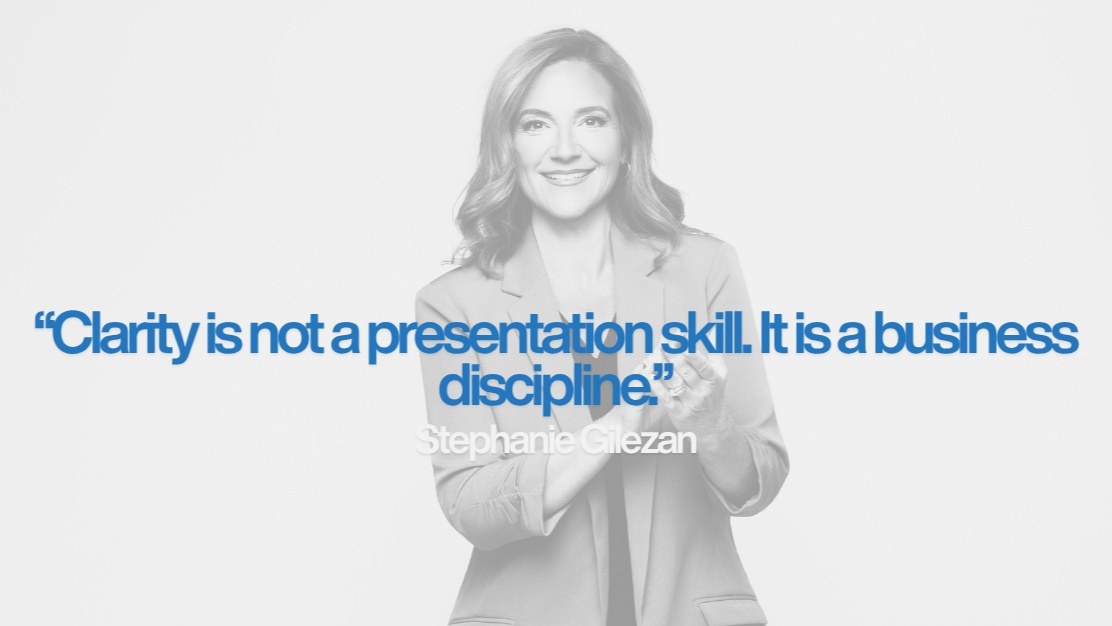
Clarity is not a presentation skill. It is a business discipline and the professionals who build it consistently are the ones capital calls first.
Before you ask for capital, step back and evaluate your own position.
Would you invest in this if it were not yours?
If the answer is not immediate and clear, that is where the work is.
What is one question an investor asked you that completely changed how you think about your business or deal?
Originally published on LinkedIn on Apr 9, 2026.