Stephanie Gilezan
Authority Without Arrogance
How to Lead Without Performing
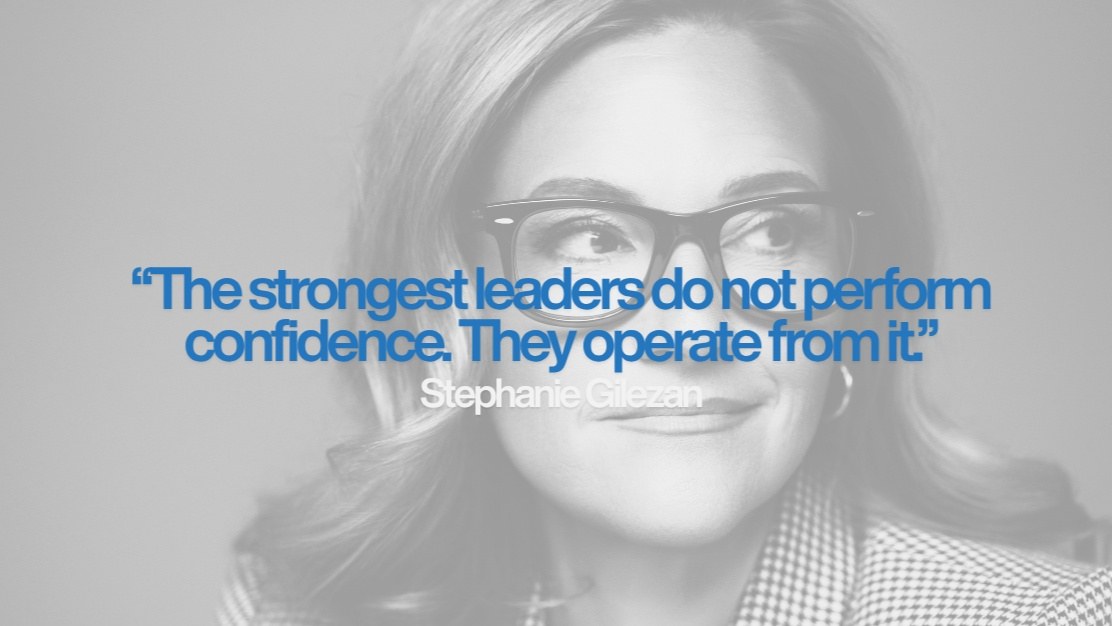
Leadership has an image problem. The version of authority that gets celebrated in mainstream business culture is loud, declarative, and performative the larger-than-life personality who commands every room they enter. That model is not only exhausting, it is increasingly ineffective. The leaders who build lasting influence are not the ones who perform confidence. They are the ones who have so thoroughly internalized it that they no longer need to signal it.
Over two and a half decades in commercial real estate and business advisory, I have led teams, closed complex transactions, and operated across multiple entities simultaneously. The single most powerful leadership shift I ever made was the decision to stop managing my image and start managing my thinking. When your judgment is sound, your communication is precise, and your team can trust that you will hold your position under pressure, you do not need to announce your authority. It becomes evident.
Authority without arrogance is built on a specific kind of clarity: knowing what you know, being honest about what you don't, and never using bluster to fill the gap between the two. Arrogance is almost always insecurity in formal wear. The leader who overstates, who dismisses disagreement, who needs to win every room that person is working overtime to protect a position they are not yet confident they have earned. True authority requires no defense.
Precision is the foundation. Leaders who speak with precision who say exactly what they mean without padding or qualification are more compelling than those who talk at length about their experience or expertise. Your credibility is communicated through the quality of your thinking, not the volume of your credentials. Ask better questions. Say less. Hold the line when it matters. Step back when it doesn't.
The leaders I respect most are the ones you feel before they speak. They do not take up space they create it. And the professionals around them perform better not because they are managed tightly, but because they are led by someone they have never once seen pretend to be more than they are.
Real authority doesn't need an audience. It only needs to be consistent.
If you are leading people, stop focusing on how you are perceived.
Focus on the quality of your thinking, your decisions, and your consistency under pressure.
That is what builds authority that lasts.
What is one leadership habit you had to unlearn to become more effective?
Originally published on LinkedIn on Apr 15, 2026.